Unlock The Hidden Structure Of Meditations
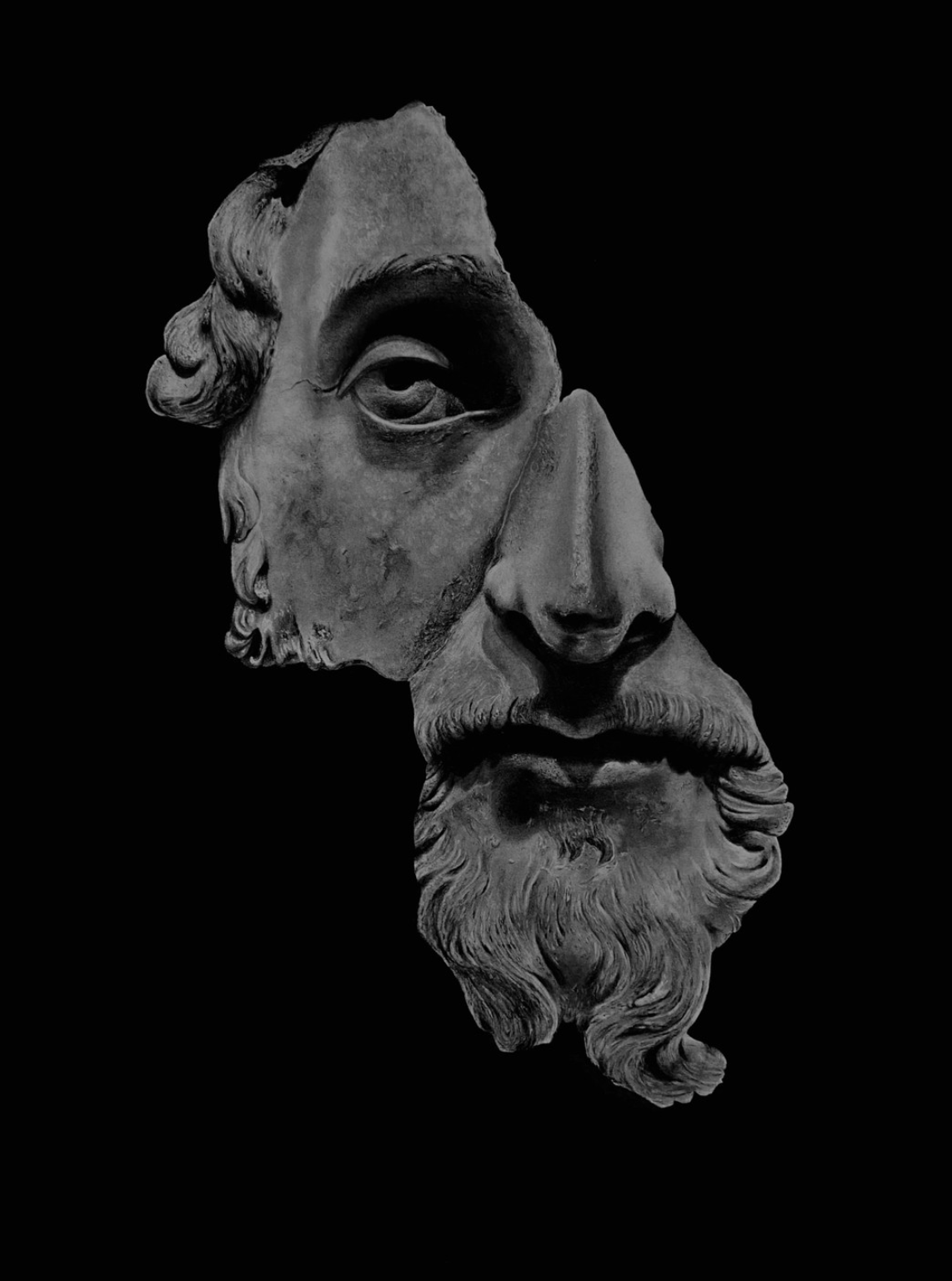
You have read Meditations and felt like you didn't understand it. Or maybe you have always wanted to read it but struggle to get started. The problem is that most people blame themselves when they struggle with this book and don't realize that it isn't meant to be read like a normal book. In The Inner Citadel I provide daily guidance that gives you the framework, practical exercises, and accountability to not just read a book, but change your entire life.
Apply NowYou don't just want to read a book.
You want to use it to live better.
Most people who read Meditations have the same experience: they physically look at every word, but walk away unable to discuss it beyond a cocktail party. It's not a failure of attention. The book is a private journal — repetitive, nonlinear, and written 2,000 years ago. Without a guide, the underlying structure stays hidden.
The Inner Citadel provides readers with a proven framework adapted from one of the world's leading scholars -- Pierre Hadot. Hadot became famous for interpreting the Meditations as a set of "spiritual exercises" -- a deliberate mental training program. With this approach, you don't just read Marcus's notes, you practice the exact same exercises he did. By the end, the book stops feeling like scattered aphorisms and becomes a system you can actually use to live with more freedom, peace, and discipline.
This is for you if
- You're at the stage of life asking, "What's all this for?"
- You tried journaling before and it was a spectacular failure.
- You love a good system and want the book organized into one.
- You want to discuss Stoicism with more than surface-level confidence.
- You will protect a weekly time slot and show up locked in.
This is not for you if
- You want to consume the book passively at 2× speed.
- You already have a steady journaling practice you don't need help with.
- You'd skip a week and "catch the recording"
- You're looking for quick life hacks rather than a slower practice.
- You aren't willing to invest money into your development
Build your inner citadel one day at a time
The Meditations was never written to be published. It was Marcus performing exercises on himself — molding his mind around Stoic principles so that when anger, fear, or distraction bubbled up, he could recognize them and choose his response. The course gives you the same structure: a weekly theme, a nonlinear reading plan, and a journaling exercise so you stop starting from a blank page.
A framework, not just a reading list
You don't read Book 1 through Book 12 in order. Each week centers on a spiritual exercise from Pierre Hadot's reading of Marcus, with passages selected to make the repetition feel like structure instead of confusion. By the end, the whole book fits into a system you can remember and use.
A journaling practice, not a blank page
If you've tried journaling and failed, the problem was never you — it was the empty page. Each week you get a specific prompt, a method, and a deadline drawn from the text. You write toward something, not away from something.
A private learning experience
By working with me directly, you will have the time and space to go deeper than ever before into the ideas and receive personalized feedback on your interpretations and reflections. This makes sure that you walk away with real insights that will lead to genuine changes in how you show up in the world.
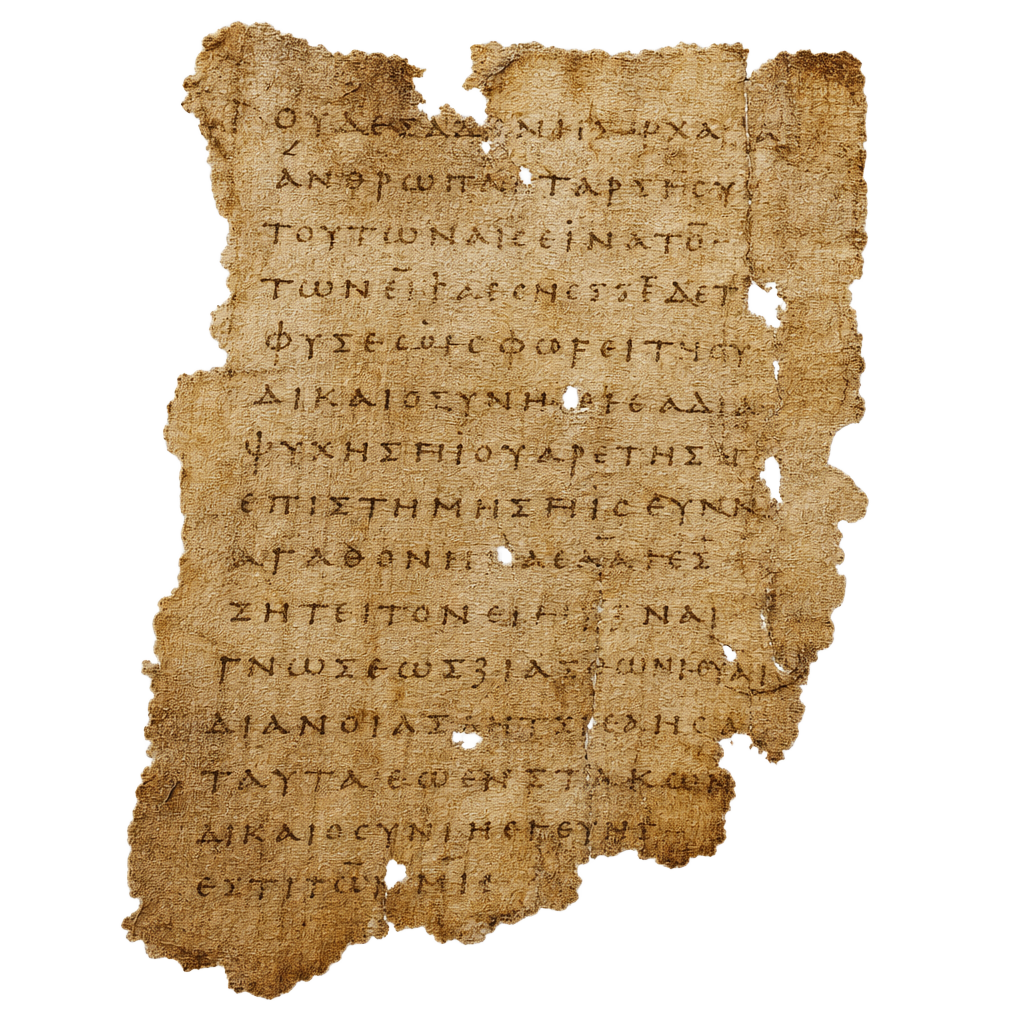
"Confine yourself to the present."
Master The Three Stoic Disciplines
Week one introduces you to what Marcus was doing. Weeks two, three, and four teach you the three Stoic disciplines at the heart of the Meditations, and connect them together. Week five is about living with Stoic joy and gratitude. The whole text is read through a thematic/practical framework, not linearly.
The emperor, the book, and the practice
Who Marcus was, what the Meditations actually are — private notes to himself, never meant to be read or linear — and why philosophy, for him, was a spiritual exercise: a deliberate training of the mind whose repetition is the practice, not a flaw.
The discipline of assent
The inner citadel itself. Impressions strikes our minds involuntarily, but our assent is always free. Learn how to control the judgments you make about reality.
The discipline of desire
Amor fati. Desiring only what depends on us, and meeting all that Destiny brings with active love.
The discipline of action
Action in the service of mankind. Every impulse directed to the common good — we are limbs of one body.
Virtue and joy
The three disciplines as one indivisible disposition — and the serenity it produces. The citadel nothing can storm.
Everything the work asks for
Five live seminars
Ninety minutes each, in a cohort of ten, led in real time.
Weekly journaling prompts
Designed from each week's reading to deepen the practice.
Curated passages & translation notes
So no edition leaves you behind, and the Greek stays close.
A private group between sessions
Where the conversation keeps going all week.
Lifetime access
Recordings and materials remain yours after the cohort ends.

Dr. Paul Musso
I have been studying Greek philosophy for over 15 years and have taught several university courses on Socrates, Plato, Aristotle, and Stoicism. I also teach philosophy on Substack and lead weekly classes for people who are serious about learning how to read difficult texts.
My approach to the Meditations comes from Pierre Hadot's reading of the text as spiritual exercises: a deliberate practice of mental training, not just a book to be finished.
Questions
Do I need to have studied philosophy?+
I tried journaling before and it was a failure. Will this work for me?+
How much time should I expect to give each week?+
How does the application work?+
Secure Your Seat. Start Now.
Applications are reviewed individually. If your application is approved I will reach out to you personally to schedule a video call. You can start learning the next day.
Apply Now